
Imagine sinking your fork into a cake that’s bursting with rich, cinnamon-spiced biscoff flavor, wrapped in a luscious, velvety frosting that tastes like pure cookie butter heaven. That’s exactly what you get with this Biscoff Cake with Cookie Butter Frosting Recipe. It’s one of those desserts that instantly makes the kitchen feel cozy and your guests ask for seconds.

Jump to:
- Why You'll Love This Recipe
- Ingredients & Why They Work
- Make It Your Way
- Step-by-Step: How I Make Biscoff Cake with Cookie Butter Frosting Recipe
- Top Tip
- How to Serve Biscoff Cake with Cookie Butter Frosting Recipe
- Make Ahead and Storage
- Frequently Asked Questions:
- Final Thoughts
- Biscoff Cake with Cookie Butter Frosting Recipe
Why You'll Love This Recipe
Every time I make this cake, it feels like inviting all my favorite flavors to a party. The way the biscoff cookies are crushed into each layer keeps the texture interesting, while the cookie butter frosting pumps up the creaminess to a totally dreamy level. This is no ordinary cake — it's a real showstopper that tastes as indulgent as it looks.
- Deep Flavor Profile: The blend of cinnamon, brown sugar, and biscoff creates a warm, spiced base that’s irresistible.
- Moist & Tender Crumb: Thanks to sour cream and oil, the cake stays soft and luscious for days.
- Whipped Cookie Butter Frosting: Light, creamy, and perfectly sweet — it’s what makes this cake stand apart.
- Crushed Cookies in Every Bite: A fun, crunchy surprise that makes the texture pop and keeps your taste buds happy.
Ingredients & Why They Work
This cake is a careful dance of ingredients that balance moisture, flavor, and texture. I always stress buying good-quality biscoff spread and cookies — they’re the stars here. Using room temperature and softened ingredients really helps everything come together smoothly.

- Unsalted butter: Provides richness and helps create the cake’s tender crumb and frosting’s creamy texture.
- Vegetable oil: Keeps the cake moist and soft, even after a day or two.
- Brown sugar: Gives a deep caramel flavor and adds to the cake’s natural moisture.
- Granulated sugar: Balances sweetness and helps with the cake's rise.
- Sea salt: Enhances all the sweet flavors and balances the richness from the butter and sugar.
- Pure vanilla extract: Adds warmth and rounds out the flavor.
- Eggs: Bind everything together and add lift to keep the cake fluffy.
- Sour cream: Adds tang, moisture, and a tender crumb, making the cake irresistibly soft.
- All-purpose flour: The base structure of the cake, ensures it holds up but stays tender.
- Baking powder: Leavens the cake to a perfect rise.
- Cinnamon: Brings spicy warmth that pairs perfectly with biscoff cookies.
- Milk: Adds extra moisture and smoothness to the batter.
- Biscoff cookies (crushed and whole): Infuse the cake and decorate with that unmistakable biscoff crunch and flavor.
- Biscoff spread: Used in the frosting and drizzle, delivering that iconic cookie butter taste.
- Cream cheese: For a tangy creaminess in the frosting that balances sweetness beautifully.
- Powdered sugar: Sweetens and thickens the frosting while keeping it silky.
- Heavy whipping cream: Whipped into the frosting for a light, fluffy texture.
Make It Your Way
I love how flexible this Biscoff Cake with Cookie Butter Frosting Recipe is. You can easily tweak the cinnamon level, swap some ingredients for dairy-free options, or add flavors like espresso powder for a coffee twist. Making it your own is part of the fun—and all delicious!
- Variation: I’ve tried replacing some of the oil with applesauce for a lighter version, and it still keeps the cake moist without sacrificing flavor.
- Dietary swaps: For a dairy-free cake, coconut yogurt works well instead of sour cream, and vegan margarine replaces butter in the frosting.
- Extra crunch: Tossing in some toasted nuts like pecans or walnuts adds a great texture contrast alongside the crushed cookies.
- Seasonal additions: Around the holidays, I like mixing in a pinch of nutmeg and ground cloves for festive warmth.
Step-by-Step: How I Make Biscoff Cake with Cookie Butter Frosting Recipe

Step 1: Creaming the Butter, Oil, and Sugars
Start by beating the softened unsalted butter, vegetable oil, brown sugar, and granulated sugar together until the mixture becomes light and fluffy. This step is crucial because properly creamed butter holds air that helps your cake rise beautifully. I usually spend about 3-5 minutes on medium-high speed, scraping down the bowl as needed.
Step 2: Adding Eggs, Vanilla, and Sour Cream
Next, crack in your eggs one at a time, mixing well after each addition. This helps prevent any curdling. Add the vanilla extract and sour cream, mixing until fully incorporated. The sour cream ensures your cake is super moist and tender. I always use room temperature eggs and sour cream here because it helps everything blend evenly without the batter getting lumpy.
Step 3: Combining Dry Ingredients and Milk
In a separate bowl, whisk together the all-purpose flour, baking powder, cinnamon, and sea salt. Then, alternately add the dry ingredients and milk to your wet mixture, starting and ending with the dry. Mix just until combined—overmixing can make the cake tough. Quickly fold in the crushed biscoff cookies at this point to disperse those delightful cookie bits throughout the batter.
Step 4: Baking the Cake Layers
Divide the batter evenly into your prepared pans (I use three 8-inch round pans). Bake at 350°F (175°C) for about 28-30 minutes, or until a toothpick inserted in the center comes out clean. When I tested this recipe, watching the cake domes rise was like watching a little transformation—it’s a magical moment! Let the layers cool completely before frosting.
Step 5: Whipping Up the Cookie Butter Frosting
In a mixing bowl, beat the slightly softened unsalted butter until smooth and creamy. Add cream cheese and continue beating until fluffy. Gradually sift in powdered sugar to keep your frosting lump-free, then mix in the biscoff spread. Finally, whip in cold heavy cream, a tablespoon at a time, until the frosting reaches a light, fluffy texture that spreads easily but holds its shape. This frosting is the magic that seals the whole flavor experience.
Step 6: Assembling with Cookie Layers and Drizzle
Start by spreading frosting on your first cake layer, then sprinkle a few whole biscoff cookies for added crunch between layers—don’t skip this step! Repeat with the second layer. Once all layers are stacked and crumb-coated, chill the cake briefly to set the crumb coat. Finish frosting the cake evenly. To top it off, drizzle melted biscoff spread around the edges for that irresistible glaze, and garnish with crushed cookies on top and a neat row around the base.
Top Tip
From my experience making this Biscoff Cake with Cookie Butter Frosting Recipe multiple times, a few insider tips helped me avoid common pitfalls and make the cake even better. These little tweaks are game changers in texture and flavor!
- Softened Ingredients: Make sure butter, cream cheese, and sour cream are at room temperature to avoid clumps in your batter and frosting.
- Don’t Overmix Flour: Stir the dry ingredients in gently to keep the crumb tender and avoid a dense cake.
- Mildly Crush Cookies: Crushing your biscoff cookies into medium-sized pieces rather than powder ensures fun bursts of crunch all through the cake layers.
- Chill Between Frosting Steps: Letting the cake chill after the crumb coat makes frosting much easier and neater.
How to Serve Biscoff Cake with Cookie Butter Frosting Recipe

Garnishes
I usually keep the garnishes simple because the cake itself is already so packed with flavor. Crushed biscoff cookies sprinkled on top look great and add a satisfying crunch. Sometimes I add a few whole cookies around the base and top for a little decoration—it's a cute, rustic look that friends always compliment.
Side Dishes
Honestly, this cake is so rich and flavorful, I like serving it with something light like a fresh fruit salad or a simple cup of black coffee. A dollop of lightly whipped cream or a scoop of vanilla bean ice cream also pairs nicely if you're feeling a bit indulgent!
Creative Ways to Present
For special occasions, I’ve tried layering this cake in a tall, semi-naked style with the frosting showing through like a bakery cake — it looks effortlessly elegant! Also, piping some frosting rosettes around the top and inserting cookie butter candies or edible gold flakes adds a luxe finish that’s perfect for birthdays or holidays.
Make Ahead and Storage
Storing Leftovers
I keep leftover slices wrapped tightly in plastic wrap or in an airtight container in the fridge. This cake stays moist and delicious for up to 4 days, thanks to the frosting sealing in the moisture. Just take it out about 30 minutes before serving to bring it back to room temperature.
Freezing
You can freeze the cake either before frosting or after assembling it fully. If unfrosted, wrap each layer tightly in plastic and foil, then freeze. For frosted cakes, a quick chill in the freezer to firm up the frosting before wrapping helps prevent damage. It freezes well for up to 3 months. Thaw overnight in the fridge and bring to room temp before serving.
Reheating
I usually don’t reheat this cake as it’s best enjoyed chilled or at room temperature. If you want it to be softer, popping a slice in the microwave for 10-15 seconds works nicely without melting the frosting too much.
Frequently Asked Questions:
Absolutely! Store-bought biscoff spread and cookies are perfect for this recipe and deliver authentic flavor that’s hard to beat. Just make sure your spread is at room temperature for easier mixing.
To keep the frosting balanced, use cream cheese for tanginess and add whipping cream slowly to achieve a fluffy texture. Taste as you go and adjust powdered sugar accordingly. Avoid over-sweetening upfront, as the biscoff spread already adds sweetness.
Yes! You can bake the cake layers a day ahead and keep them wrapped tightly in the fridge. Assemble and frost the next day for the best freshness. The flavors even deepen if you let the cake rest overnight after frosting.
I like crushing them gently with a rolling pin inside a sealed plastic bag so you have a mix of smaller bits and larger chunks. This method prevents turning them into powder while giving delightful texture diversity throughout the cake.
Final Thoughts
This Biscoff Cake with Cookie Butter Frosting Recipe has become a go-to for me whenever I want to impress without spending all day baking. It’s truly a crowd-pleaser that feels like a warm hug in dessert form. I hope you have as much fun making it as I do, and definitely enjoy every scrumptious bite with friends and family!
Print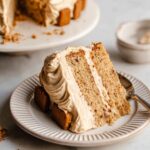
Biscoff Cake with Cookie Butter Frosting Recipe
- Prep Time: 30 minutes
- Cook Time: 30 minutes
- Total Time: 1 hour
- Yield: 12 servings
- Category: Dessert
- Method: Baking
- Cuisine: American
- Diet: Vegetarian
Description
This Biscoff Cake features soft and moist layers infused with crushed Biscoff cookies, layered with a light and creamy whipped cookie butter cream cheese frosting, and finished with a luscious biscoff drizzle. Each bite is bursting with the rich flavors of Biscoff cookies and cookie butter, making it an irresistible dessert for cookie lovers.
Ingredients
Cake Layers
- 1 ½ cup unsalted butter (softened)
- ⅓ cup vegetable oil
- 1 ½ cup brown sugar (packed)
- ⅓ cup granulated sugar
- ½ teaspoon sea salt
- 1 tablespoon pure vanilla extract
- 7 large eggs (room temperature)
- ¾ cup sour cream (room temperature)
- 4 ¾ cup all purpose flour (570g)
- 3 ¾ teaspoon baking powder
- 1 ½ tablespoon cinnamon
- 1 cup milk (room temperature)
- 12 biscoff cookies (crushed)
Frosting
- 1 cup unsalted butter (slightly softened at room temperature for 30 minutes)
- 3-4 cups powdered sugar
- ¾ cup biscoff spread (room temperature)
- 8 oz cream cheese (softened for 10 minutes at room temperature)
- 3-6 tablespoons heavy whipping cream (cold)
Decoration & Assembly
- ½ cup biscoff spread (melted)
- 10 biscoff cookies (for between layers)
- 8 biscoff cookies (for around base)
- 8 biscoff cookies (for top)
Instructions
- Prepare Cake Batter: In a large mixing bowl, cream together the softened butter, vegetable oil, brown sugar, granulated sugar, and sea salt until light and fluffy. Add the vanilla extract and eggs one at a time, beating well after each addition. Mix in the sour cream until fully incorporated.
- Combine Dry Ingredients: In a separate bowl, whisk together the all purpose flour, baking powder, and cinnamon. Gradually add the dry ingredients to the wet ingredients alternately with the milk, beginning and ending with the dry ingredients. Stir until just combined.
- Add Crushed Cookies: Gently fold the crushed Biscoff cookies into the batter, ensuring even distribution without overmixing.
- Bake the Cake Layers: Preheat oven to 350°F. Divide the batter evenly into prepared round cake pans. Bake for 30 minutes or until a toothpick inserted into the center comes out clean. Let the cake layers cool completely on wire racks.
- Prepare Frosting: In a large bowl, beat the softened butter and cream cheese together until smooth and creamy. Gradually add the powdered sugar, beating until fluffy. Mix in the Biscoff spread. Add heavy whipping cream one tablespoon at a time until the frosting reaches spreading consistency.
- Assemble the Cake: Place one cake layer on a serving plate. Spread a layer of frosting over the cake and press in some whole Biscoff cookies between the layers. Repeat layering with remaining cake layers and frosting.
- Frost the Cake: Apply a crumb coat and chill for 15 minutes. Then spread the remaining frosting evenly around the entire cake.
- Add Decorations: Drizzle the melted Biscoff spread over the top edges of the cake to create a biscoff drip. Decorate the top and base of the cake with the whole Biscoff cookies as specified.
- Chill and Serve: Refrigerate the cake for at least 1 hour before serving to allow the flavors to meld and the frosting to set. Serve chilled or at room temperature.
Notes
- The cake layers are soft and moist, with crushed cookies adding texture and flavor in every bite.
- Use room temperature ingredients for best mixing and texture results.
- The frosting is light and whipped, balancing the richness of the cake.
- You can adjust the amount of heavy whipping cream in the frosting to get the desired consistency.
- Melted Biscoff spread works well for the drip; warm it gently to avoid burning.
- Store leftovers covered in the refrigerator for up to 3 days to maintain freshness.
Nutrition
- Serving Size: 1 serving
- Calories: 1242 kcal
- Sugar: 80 g
- Sodium: 538 mg
- Fat: 71 g
- Saturated Fat: 34 g
- Unsaturated Fat: 24 g
- Trans Fat: 2 g
- Carbohydrates: 138 g
- Fiber: 2 g
- Protein: 16 g
- Cholesterol: 215 mg


Leave a Reply